Understanding Tooth Extraction: When Removal Becomes the Healthier Choice
At the office of Diamond Head Dental Care, our priority is to help patients keep healthy, functional smiles while minimizing discomfort. Sometimes that means choosing removal of a tooth so the rest of the mouth can remain strong and symptom-free. Extractions are clinical decisions made to protect overall oral health, not quick fixes; we explain the reasons, steps, and alternatives so you can make an informed choice.
We approach every case with careful evaluation, starting with a detailed medical and dental history, appropriate imaging, and a conversation about your goals and concerns. Our team uses modern diagnostic tools and evidence-based protocols to determine whether an extraction is necessary and, if so, what type of procedure will be safest and most predictable for you.
Preserving natural teeth is always the first priority, but there are situations when removal is the most responsible course of care. When a tooth threatens adjacent teeth, contributes to infection, or undermines chewing function, taking it out can prevent more extensive treatment later and promote long-term oral health.
Why a tooth may need to be removed
Retained primary (baby) teeth that block normal development Most primary teeth fall out as permanent teeth erupt. Occasionally a baby tooth remains firmly in place because its roots failed to resorb or it has become fused to the jawbone. When a retained tooth interferes with the eruption or alignment of a permanent tooth, removal is recommended to allow normal growth and avoid orthodontic complications.
A permanent tooth with irreparable decay or structural loss Decay begins at the enamel and, if untreated, can destroy enough tooth structure to make restoration impossible. When a tooth no longer has sufficient healthy material for a crown or filling, or when the infection has compromised the root and surrounding bone, extraction becomes the safest option to eliminate infection and preserve nearby teeth.
Severe fractures or root damage that preclude repair Teeth can fracture in ways that leave insufficient tooth for reliable restoration. If a crack extends below the gum line, into the root, or the fracture pattern makes predictable repair unlikely, removal prevents ongoing pain and potential spread of infection to surrounding tissues.
Advanced periodontal disease affecting support structures When gum disease progresses, the bone and soft tissues that anchor teeth may be lost. Teeth that have become loose or that no longer have adequate support may need extraction to halt disease progression and allow the mouth to be rehabilitated with periodontal therapy or tooth replacement options.
Wisdom teeth that are impacted, decayed, or harmful to adjacent teeth Third molars are often the last to erupt and may do so with limited space. Impacted or poorly positioned wisdom teeth can cause crowding, decay, infection, or damage to neighboring teeth. When monitoring indicates potential problems, timely removal can prevent more extensive complications.
Extractions to support orthodontic treatment In cases where the jaws are too small to accommodate all permanent teeth, selective removal can create space to align teeth and establish a stable bite. Extractions are planned carefully within an orthodontic treatment strategy so the final aesthetic and functional outcomes are optimized.
How an Extraction Is Performed: What You Can Expect
Before any procedure, we conduct a comprehensive exam and review your medical history, current medications, and any special considerations. Imaging—typically digital radiographs—helps us evaluate root shape, bone structure, and the relationship of the tooth to critical anatomical landmarks. This step guides whether a simple or more involved technique will be used.
Local anesthesia is standard to block pain at the site. For patients who experience anxiety or require more profound relaxation, we offer additional comfort options and can discuss appropriate sedation choices. Your safety is paramount, so we follow protocols for monitoring and coordinate care with other providers if medical conditions or medications require special planning.
We take time to explain the planned approach, anticipated steps, and post-operative instructions ahead of the procedure. Clear communication about what to expect—how long the appointment will last, how sensations may feel afterward, and what normal healing looks like—helps reduce uncertainty and supports a smoother recovery.
Simple removal: straightforward and efficient
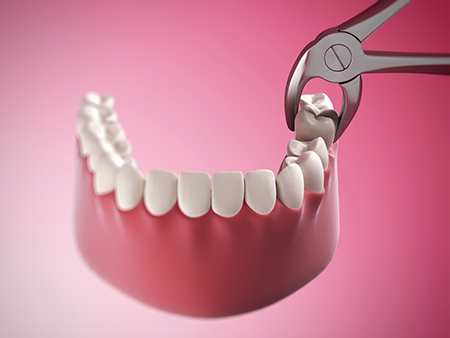
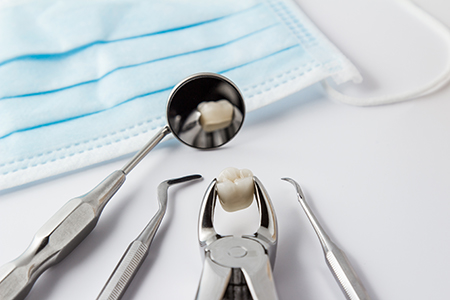
When a tooth is fully visible and the root anatomy is favorable, a simple extraction is typically performed. After numbing the area thoroughly, the tooth is gently loosened and removed using elevators and forceps. The goal is efficient removal with minimal trauma to surrounding tissues so healing can begin promptly.
Surgical removal: addressing complex situations
Surgical extractions are necessary when a tooth is broken at the gum line, impacted, fused to bone, or otherwise not easily accessible. This technique may involve a small incision, removal of a modest amount of bone, and sectioning the tooth into portions for safe removal. Complex cases are handled with precision, and when appropriate we refer to an oral surgeon to provide specialized care.
Comfort, Sedation, and Safety: Minimizing Stress During Care
Feeling comfortable during dental procedures is critical to many patients. We offer tiered approaches to comfort, from thorough local anesthesia to options for oral or inhalation sedation when indicated. Sedation decisions are made after reviewing medical history and discussing preferences so you remain safe and secure throughout the visit.
Safety protocols include verifying medications, assessing bleeding risk, and confirming any necessary antibiotic coverage with your physician when appropriate. We also provide clear pre-operative instructions—such as fasting guidelines for certain sedation types and which medications to continue or pause—to reduce complications and enhance safety.
When a case requires specialist involvement, coordination of care is a priority. We communicate treatment goals, transfer necessary imaging, and ensure follow-up plans are clear so your experience is seamless whether care is completed here or in collaboration with an oral and maxillofacial surgeon.
Recovery and Practical Aftercare: Helping You Heal Well
Most patients heal uneventfully when they follow aftercare guidance. The immediate goal is clot formation at the extraction site, which protects the underlying bone and supports tissue repair. We provide tailored instructions about activity, diet, and medications to support that process and reduce the risk of complications like dry socket or infection.
We schedule follow-up when needed to remove sutures, monitor healing, or confirm readiness for any planned tooth replacement. If a replacement is planned, we’ll discuss timing and the options that best fit your health profile and long-term goals.
Post-operative steps to follow
Control bleeding with gauze pressure You will be given gauze to bite on immediately after the extraction. Maintain steady pressure as instructed; this encourages clot formation and reduces bleeding. Replace the gauze when necessary, but prolonged, forceful spitting or rinsing should be avoided during the initial hours.
Protect numb tissues Until the anesthetic fully wears off, avoid chewing, kissing, or touching the area to prevent accidental injury to lips, cheeks, or tongue.
Take medications as directed If antibiotics or pain medications are prescribed, follow the directions carefully. For pain control, taking the first dose before numbness ends often improves comfort. Use over-the-counter pain relievers if recommended and avoid aspirin if instructed to do so.
Avoid actions that dislodge the clot Do not rinse vigorously, use a straw, or smoke for several days. These actions can loosen the clot and delay healing.
Manage swelling with cold therapy Apply an ice pack to the face in short intervals during the first 24 hours to limit swelling and discomfort. After 48 hours, warmth may be helpful if swelling persists.
Refrain from tobacco use Tobacco impairs blood flow and healing. Avoid smoking and other tobacco products for at least one week to reduce complications.
Choose gentle foods and stay hydrated Stick to soft, lukewarm foods for the first several days and avoid hard, crunchy, or spicy items that could irritate the site. Drink fluids but skip carbonated or alcoholic beverages while healing.
Maintain oral hygiene carefully Continue brushing and flossing other areas of your mouth, but be gentle near the extraction site. Saltwater rinses (mild, lukewarm) can be introduced after the first 24 hours to keep the area clean—avoid forceful swishing.
Attend follow-up appointments If sutures were placed or additional monitoring is needed, keep your scheduled follow-up visit so we can confirm proper healing and outline any next steps.
If you notice persistent bleeding, increasing pain, swelling that worsens after a few days, a persistent bad taste, or other concerning changes, contact our office for advice and timely assessment.
Why trust Diamond Head Dental Care for your extraction needs?
We combine clinical experience with modern technology to provide predictable, compassionate care. Our team emphasizes clear communication—explaining options, timing for any planned tooth replacement, and how extraction fits into your broader oral health plan. You will receive personalized guidance that considers your medical history, functional needs, and aesthetic goals.
When a tooth must be replaced, we review the appropriate solutions and sequence replacement so it supports long-term health and comfort. Whether your case is straightforward or requires coordination with a specialist, we focus on safe, evidence-based care and thoughtful follow-up to support recovery and restoration.
In summary, extraction is a common, well-established procedure used to preserve oral health when a tooth cannot be saved or threatens surrounding structures. Our team works to make the process as comfortable and predictable as possible and to plan sensible next steps for restoration when needed. Contact us if you would like more information or to discuss whether an extraction is the right option for your situation.
What are the most common reasons for an extraction?
+
The most common reasons for tooth loss include advanced periodontal disease, extensive tooth decay, and facial
trauma. According to statistics, gum disease is responsible for close to 70% of tooth loss in adults. Although less
frequent than the preceding three reasons, it should also be noted that specific diseases, drugs, smoking, and poor
nutrition contribute to the risk of tooth loss.
How common is tooth loss?
+
The Centers for Disease Control and Prevention report that in the United States, an average of 12 teeth (including
the wisdom teeth) are lost by the age of 50. Also, 26% of adults between 65 and 74 years of age have lost all their
teeth.
Does it hurt to have a tooth extracted?
+
Every patient and every situation is different. However, when a tooth and the surrounding tissues are numbed with a
local anesthetic, you should only expect to feel a bit of pressure, but no pain as the tooth is being loosened from
the surrounding tissues and extracted. For patients who are apprehensive and for some surgical extractions, our
office will discuss our options in dental sedation to provide further relaxation and reduce any sense of discomfort.
What will I feel when the anesthetic wears off?
+
While it's normal to feel some tenderness and swelling following an extraction, the degree of these sensations can
vary. It mostly depends on the complexity of the extraction and the body's response to the procedure. We'll
recommend or prescribe the appropriate pain medication to help ensure your comfort and give you specific
instructions for maximum effectiveness and safety.
How long does it take to recover from a tooth extraction?
+
Typically, the recovery period following a simple extraction is shorter than a surgical extraction. However, a
patient's overall health, habits, the size and location of the tooth, and other variables can influence recovery
and healing. To speed up the recovery and avoid any complications, patients must follow the given at-home
instructions diligently. We'll carefully review what to expect following your procedure and go over your post-op
instructions.
Why should one refrain from smoking following a tooth extraction?
+
Smoking interferes with blood clot formation, which is an essential first step in the healing process. Blood clot
formation not only provides a protective layer to cover the underlying exposed bone and nerve endings, but it also
supports the growth of new tissue. Cigarette smoke also contains chemical toxins that can disrupt the healing
process and lead to problems such as continued inflammation, infection, or dry socket.
What is dry socket?
+
In a very small percentage of cases, a condition known as dry socket can develop in the aftermath of a dental
extraction. This painful condition can arise when the blood clot in the extraction site doesn't form properly or
gets dislodged. With dry socket, you may experience throbbing pain and symptoms such as bad breath and an unpleasant
taste in your mouth. As skilled providers of care, our office will provide immediate treatment to alleviate your
discomfort and promote healing.
Will I need my wisdom teeth extracted?
+
The last teeth in your mouth to develop, wisdom teeth often do not have enough room to fully erupt or may be
positioned in the wrong direction. These issues can affect your dental health as well as overall wellbeing. While
some individuals never develop all their wisdom teeth, and a few have sufficient space for them, there are many
people with partially or fully impacted third molars. Our office will monitor the development, position, and health
of your wisdom teeth and will advise you if and when extractions are indicated.
What is the reason for a bone graft immediately following an extraction procedure?
+
After a tooth is removed, bone-grafting material is sometimes placed in the socket to promote healing and encourage
new bone development. This procedure is often performed to support the eventual and successful placement of a dental
implant.
How much does getting a tooth taken out cost?
+
At the office of Diamond Head Dental Care, we strive to make dental care affordable and accessible. Depending
on the type or complexity of the extraction and other variables, the cost of the procedure can vary. Based on our
diagnostic findings, our office will inform you of the healthiest choices in care, explain the fees, discuss
insurance coverage, and explain your payment options.
Are tooth extractions covered by dental insurance?
+
Many dental plans offer some level of coverage for tooth extractions. We'll advise you if your plan covers the full
cost of the procedure and if there is any out-of-pocket expense. Our business office will work with you to maximize
your insurance benefits as much as possible while helping you minimize any out-of-pocket expenses.
When is a tooth extraction necessary?
+
Extractions are recommended when a tooth cannot be restored or when it poses a risk to neighboring teeth and overall oral health. Common clinical indications include extensive decay that has destroyed supporting structure, severe root damage or fracture, advanced periodontal disease with significant bone loss, and retained primary teeth that block normal eruption. Each case begins with a comprehensive evaluation including medical history and diagnostic imaging to confirm that removal is the safest course.
We also consider extraction when a tooth contributes to persistent infection or when it interferes with planned orthodontic treatment. The decision balances short-term needs and long-term oral function to prevent more extensive procedures later. Your clinician will review alternatives and explain why extraction may better protect surrounding tissues and restore comfort.
What is the difference between a simple extraction and a surgical extraction?
+
A simple extraction is performed when the tooth is fully erupted and accessible in the mouth; it typically requires only local anesthesia, elevators, and forceps to loosen and remove the tooth with minimal tissue disruption. Surgical extractions are used for teeth that are broken at the gum line, impacted, fused to bone, or otherwise difficult to access. These procedures may involve incisions, removal of a small amount of bone, and sectioning the tooth into pieces for safe removal.
Surgical cases require careful preoperative planning and may be completed here or in collaboration with an oral and maxillofacial surgeon when specialized skills or sedation are indicated. Both techniques aim to minimize trauma and support predictable healing. Your provider will explain which approach is recommended based on radiographic findings and clinical examination.
How should I prepare for a tooth extraction?
+
Preparation starts with a full medical history review and a discussion of any medications, allergies, or systemic conditions that could affect treatment. Your clinician will obtain imaging to evaluate root anatomy and nearby structures, and will advise whether any medications should be continued or temporarily adjusted in consultation with your physician. For patients choosing sedation, specific fasting and arrival instructions will be provided to ensure safety.
On the day of the procedure, follow the preoperative instructions you were given, arrive with a responsible companion if sedation is planned, and wear comfortable clothing. Be sure to communicate any anxiety, prior reactions to anesthesia, or recent changes in health so the team can tailor comfort and monitoring. Clear communication helps reduce risk and improve the overall experience.
What sedation and pain control options are available during extraction?
+
Local anesthesia is standard to numb the treatment area and prevent pain during the extraction. For patients with anxiety or for more complex procedures, additional comfort options such as inhalation nitrous oxide or oral sedation may be offered after reviewing medical history and discussing risks and benefits. We monitor patients appropriately during sedation and select the level of anesthesia that matches the clinical needs and patient preference.
Pain control after the procedure typically involves short-term use of prescribed or over-the-counter analgesics and anti-inflammatory medications as recommended by your clinician. Following the prescribed regimen and adhering to aftercare instructions reduces discomfort and supports uneventful healing. If you have specific sensitivities or medication considerations, inform the team so they can tailor the plan safely.
What can I expect during the recovery period after an extraction?
+
Initial healing focuses on clot formation at the extraction site, which protects underlying bone and supports tissue repair; most patients experience mild to moderate swelling and discomfort that peaks within 24 to 48 hours and then steadily improves. Expect to follow activity modifications, dietary recommendations, and medication instructions during the first few days to promote healing and reduce complications. Many patients can return to normal daily activities within a few days, although strenuous exercise should be limited until healing is well underway.
Follow-up appointments are scheduled as needed to remove sutures, monitor healing, and plan any tooth replacement if indicated. If healing deviates from the expected course—persistent or worsening pain, prolonged bleeding, fever, or unusual drainage—contact the office promptly for evaluation. Proper home care and adherence to guidance greatly reduce the risk of issues such as dry socket or infection.
How can I reduce the risk of dry socket and other complications?
+
Reducing the risk of dry socket and infection begins with following post-operative instructions carefully, particularly those regarding clot protection and oral hygiene. Avoid vigorous rinsing, spitting, using straws, or smoking for several days after the extraction, and follow guidance on gentle cleaning and the timing for saltwater rinses. These measures help preserve the clot that is essential for normal bone and soft tissue healing.
Take prescribed antibiotics or analgesics exactly as directed when indicated, and maintain communication with the dental team if symptoms arise. Keep follow-up appointments so the clinician can assess healing and intervene early if complications develop. Prompt attention to concerning signs helps prevent more serious outcomes and supports a faster recovery.
When should wisdom teeth be removed?
+
Wisdom teeth removal is recommended when third molars are impacted, positioned in a way that risks damage to adjacent teeth, are decayed beyond repair, or cause recurrent infections or cyst formation. Because third molars erupt late and space is often limited, they can create crowding, trap food, or remain partially erupted and prone to disease. Monitoring with periodic imaging helps determine whether timely removal will prevent future problems.
The timing for removal depends on your unique anatomy, symptoms, and treatment goals; some asymptomatic wisdom teeth that are fully functional and easily cleaned may be monitored rather than extracted. Your dentist will evaluate radiographs and discuss potential risks and benefits so you can make an informed decision about removal versus observation. When removal is advised, careful planning helps minimize risks and optimize recovery.
Will I need a replacement tooth after extraction and when should it be planned?
+
Not every extraction requires immediate replacement, but when a missing tooth will affect chewing, aesthetics, or long-term oral health, planning for restoration is important. Options for replacement include dental implants, fixed bridges, and removable prostheses; the appropriate choice depends on the site, bone quantity, adjacent teeth, and your overall health. Timing for replacement is individualized and may involve immediate provisional solutions or delayed placement to allow for optimal healing.
Your provider will discuss the sequence of care if replacement is planned, including any bone grafting or soft tissue management that may be necessary to support a durable outcome. Coordinated planning ensures that extraction and restoration work together to preserve jaw health and function. Follow-up visits are used to confirm readiness for restorative steps and to monitor healing progress.
Can medical conditions or medications affect extraction treatment?
+
Yes, systemic health conditions and certain medications can influence both the planning and the safety of dental extractions. Conditions such as uncontrolled diabetes, bleeding disorders, immune suppression, and recent cardiac events require careful assessment and sometimes coordination with your physician. Medications that affect clotting, such as anticoagulants or antiplatelet agents, and drugs that impact bone metabolism may require special protocols to reduce risk.
Before any extraction, provide a complete list of medications and a detailed medical history so the dental team can evaluate potential interactions and tailor the treatment plan. In some cases, laboratory testing, medication adjustments, or consultations with medical providers are arranged to ensure safe care. Transparent communication about your health supports predictable outcomes and patient safety.
Why should I consider Diamond Head Dental Care for my extraction needs?
+
The office of Diamond Head Dental Care combines modern diagnostic tools, evidence-based protocols, and a team approach to provide predictable, comfortable extraction care. We emphasize careful evaluation, clear communication about options and aftercare, and coordination with specialists when complex or surgical cases require additional expertise. Our Pearl City office also supports same-day emergency appointments and extended hours to address urgent dental pain when timely care is needed.
By focusing on patient safety, individualized treatment planning, and thoughtful follow-up, we aim to minimize complications and help patients return to normal function quickly. If you have questions about whether extraction is appropriate for your situation, contact the office to schedule an evaluation so the care team can assess your needs and outline a plan tailored to your oral health goals.
We Insurance! All PPO Dental Insurance Plans ACCEPTED!