1160 Kuala Street
Suite 200
Pearl City, HI 96782

Monday
7:00 am - 7:00 pm
Tuesday
7:00 am - 7:00 pm
Wednesday
7:00 am - 7:00 pm
Thursday
7:00 am - 7:00 pm
Friday
7:00 am - 7:00 pm
Saturday
8:00 am - 5:00 pm
Sunday
8:00 am - 5:00 pm

Invisalign®

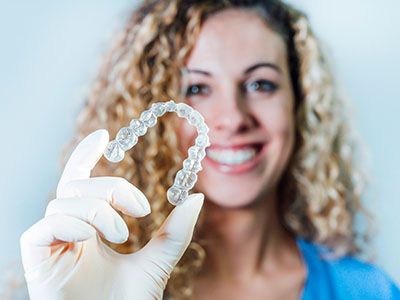
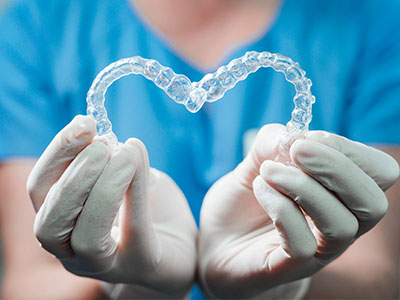
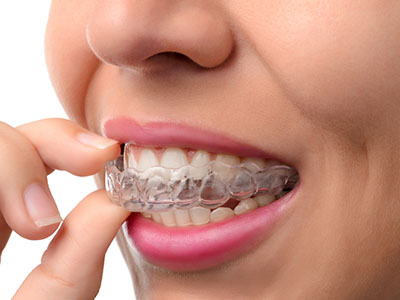
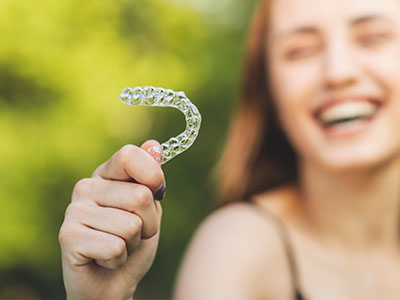
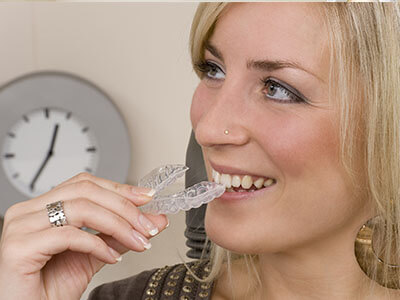
Invisalign® is a modern approach to correcting tooth alignment that emphasizes discretion, comfort, and predictable results. Using a sequence of custom clear aligners, the system gently guides teeth toward a more balanced, functional arrangement—without metal brackets or visible wires. For many adults and teens, this means an orthodontic option that fits a busy life while delivering professional orthodontic outcomes.

Why clear aligners are changing the way people straighten teeth

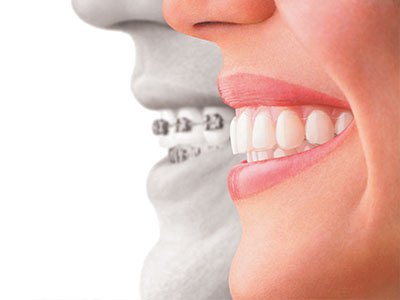
Clear aligners appeal to people who want a less conspicuous orthodontic experience. The low-profile design of the trays keeps day-to-day life largely uninterrupted: you can speak, work, and socialize without the visual presence of braces. Beyond aesthetics, the system is designed to move teeth in a controlled sequence, which helps achieve corrections that are both cosmetic and functional.

Advances in materials science have made aligners more comfortable over successive generations. Thinner, more flexible materials reduce the day-one discomfort that many associate with orthodontic shifts, and refined manufacturing tolerances make each tray more consistent in the pressure it applies. Those improvements matter because small changes in force and fit can influence comfort and treatment predictability.

From a patient’s perspective, predictability and convenience are major benefits. Treatment typically follows a mapped plan that anticipates tooth movements over time, so appointments focus on progress checks and small adjustments rather than frequent in-office hardware changes. That predictable rhythm can simplify scheduling and make long-term planning—work, school, travel—easier to manage.

How digital imaging and planning shape every step

Contemporary clear-aligner care begins with a detailed digital assessment. High-resolution intraoral scans capture the current tooth positions and bite relationships, creating a three-dimensional model of the mouth. This digital impression replaces traditional putty molds for most patients, offering a faster, more comfortable experience at the outset of treatment.

From the digital model, clinicians develop a step-by-step movement plan that maps how each tooth should shift over time. Advanced software simulates the sequence and timing of those adjustments, giving both clinician and patient a visual preview of expected results. This visualization helps align expectations and supports shared decision-making.

That planning capability also improves clinical control. The digital workflow enables clinicians to refine movement strategies for specific problems—rotations, spacing, or bite corrections—before production begins. When the aligners are fabricated, each tray reflects the detailed prescription from the treatment plan, which reduces guesswork and supports efficient progress.

Treatment is individualized: digital scans and custom aligners translate your unique plan into a comfortable sequence of trays for consistent progress.

What makes Invisalign® effective for a broad range of cases

One of the strengths of clear-aligner systems is their ability to address many common alignment challenges. Mild to moderate crowding, gaps, certain bite issues, and minor rotations are routinely managed with a planned series of aligners. Clinicians evaluate each case to determine whether aligners alone are appropriate or if adjunctive techniques will help optimize outcomes.

The technology benefits from a data-driven development process. Manufacturers and clinicians analyze outcomes to refine aligner design, attachment placement, and staging of movements. That iterative approach contributes to more predictable tooth movements and helps expand the range of cases suitable for aligner therapy.

Clinical control also depends on proper compliance and regular follow-up. Because aligners are removable, they perform best when patients wear them as instructed. Scheduled check-ins allow clinicians to monitor alignment, refine the plan when necessary, and verify that the treatment is tracking toward the planned result.

Daily life with aligners: care, comfort, and routine

One practical advantage of clear aligners is the ease of oral hygiene. Since trays are removed for eating and cleaning, patients can brush and floss normally without working around wires or brackets. That accessibility supports better plaque control and reduces the irritation that can accompany fixed appliances.

Aligners are designed to be durable yet unobtrusive. Many people find the initial adjustment period brief: minor speech changes or awareness of the trays typically diminish after a few days. Removable trays also simplify mealtime choices—foods can be enjoyed without concern for hardware damage—though patients should follow their clinician’s guidance about wear time and handling.

Maintaining prescribed wear time is essential. Most treatment plans recommend wearing aligners for the majority of each day and changing trays on the clinician’s schedule. Consistency helps the process move forward as intended; occasional breaks are understandable, but prolonged gaps in wear can delay progress and require adjustments to the plan.

From your first consultation to a lasting result

The Invisalign® process typically begins with a thorough consultation: a clinical exam, discussion of goals, and a digital scan when appropriate. During this visit, clinicians explain how aligners will address specific concerns and outline what patients can expect from the treatment pathway. This early communication helps set clear expectations for timing, milestones, and routine care.

After the digital plan is finalized and aligners are manufactured, patients receive their first set and instructions for daily wear and maintenance. Follow-up visits are scheduled to monitor progress and make any needed refinements. These appointments are focused and usually less frequent than visits required for traditional braces.

After active treatment is complete, many patients transition to a retention phase to help preserve the new tooth positions. Retention strategies are part of a long-term care plan and are discussed before the final aligner is delivered. Effective retention helps protect the investment of time and effort made during active treatment.

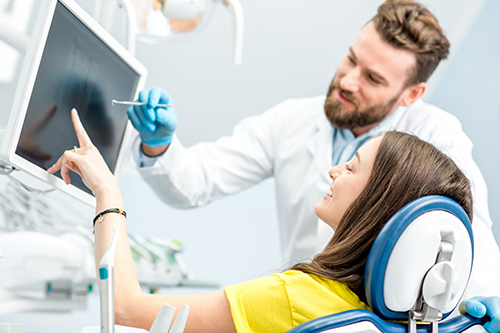
A tablet screen displaying an X-ray image being held by a person, with another person holding the tablet while a third person, possibly a medical professional, points at the X-ray.

Schedule a focused consultation

Your initial visit is an opportunity to review goals and assess whether clear-aligner therapy is a good fit. The clinician will evaluate tooth positions, oral health, and bite relationships to create a recommended plan tailored to you.

A man in a lab coat and woman are standing next to a computer screen with medical equipment around them, possibly in a dental office setting.

Experience precise digital scanning

Fast, accurate intraoral scans replace traditional molds in most cases, producing a 3-D model of your smile. That model forms the basis for a customized plan and gives you a visual sense of the anticipated outcome before treatment begins.

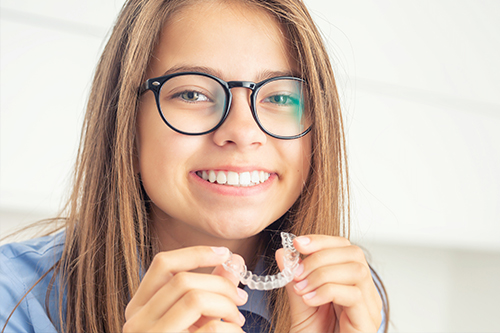
A young girl with glasses smiling at the camera while holding a toothbrush.

Receive aligners crafted to your plan

Each aligner is manufactured to fit a precise step in your treatment sequence. The trays are made from industry-leading materials and shaped to balance effectiveness with day-to-day comfort.

A woman holding a candy cane smiles at the camera against a brick wall background.

Ongoing support throughout treatment

From the first fitting to the final refinement, your clinician provides guidance and oversight. Regular check-ins keep treatment on track and ensure the final result aligns with the initial goals.

Educational video resources

Short videos that demonstrate common procedures and illustrate typical treatment milestones.

*Invisalign® is a registered trademark of Align Technology, Inc.

At Diamond Head Dental Care, we aim to provide clear, modern orthodontic options that align with patients’ lives and goals. If you’d like to learn more about whether Invisalign® is a good fit for you, please contact us for more information and to schedule a consultation.

Frequently Asked Questions

I want to straighten my teeth but I don't want metal braces. What are the alternatives?

+

There are many options for patients who want to avoid metal braces! The most popular alternative orthodontic treatment is Invisalign®, which are clear plastic aligners designed to straighten teeth. After an examination of your teeth, your dentist will determine which option is best suited to your wants and needs.

Is Invisalign® expensive?

+

According to the Invisalign® website, the cost for treatment is approximately the same as the cost for metal braces. A portion of this cost may be covered by your insurance. Please call us to set up a consultation and discuss potential payment plan options.

How does Invisalign® work?

+

The first step is to schedule a consultation with your doctor, so they can devise a treatment plan that is best suited to your individual dental needs. Once approved, you will receive your first set of aligners. Your doctor will then regularly monitor the movement of your teeth and new aligners will be ordered according to the progress made in your treatment plan.

What is Invisalign® made of?

+

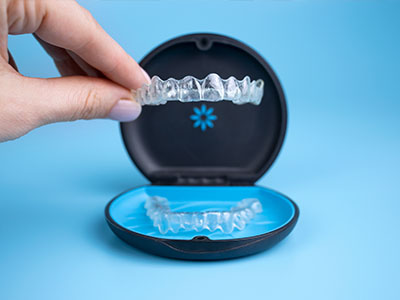
Invisalign® aligners are made of clear, flexible plastic. The company received a patent for this material – SmartTrack® – to be used exclusively for Invisalign treatment purposes. These aligners are FDA approved and nearly invisible!

How long does Invisalign® treatment take?

+

Your doctor will give you an estimate regarding how long your Invisalign® treatment should take, which will depend on your specific needs. The average length of time for treatment is approximately 12-18 months. However, some patients may see results far sooner. Remember to wear your aligners exactly as instructed by your doctor to obtain the best results.

Are Invisalign® results permanent?

+

Your doctor will most likely recommend that you wear retainers following your Invisalign® treatment. This is a precaution that will prevent your teeth from shifting back to their original positioning. It is important to follow your doctor's instructions exactly to ensure long-lasting results.

How often must I wear my aligners?

+

You must wear your aligners for up to 22 hours daily. You may remove them for eating, drinking and regular oral hygiene.

Are there any restrictions to what I can eat while in treatment?

+

No. Unlike braces, you may eat whatever you like as long as you remove the aligners before eating. Prior to placing the aligners back on, it is important to brush your teeth and the aligners after you eat.

Will wearing the aligners affect my speech?

+

Like any orthodontic treatment, there is a short adjustment period. The more you speak with the aligners on, the quicker you will adjust.

Is there any discomfort with Invisalign® treatment?

+

There will be some pressure and minor discomfort for a day or two after each initial insertion. This is a sign that your teeth are moving sequentially into their final position.

Can I chew gum?

+

It is recommended that you remove your aligners prior to chewing gum as the gum will stick to the aligners.

Can I smoke with the aligners in?

+

We discourage smoking with aligners as the cigarette smoke will tend to discolor them.

How do I keep my aligners clean?

+

Brushing them with toothpaste will keep them fresh and clean.

How often do I see an orthodontist while wearing Invisalign®?

+

Regular office visits are every five to six weeks. This will ensure that your Invisalign treatment is progressing as planned.

What happens after my treatment is complete? Do I need retainers?

+

All orthodontic patients are instructed to wear their retainers at night indefinitely. Sleeping with your retainers in at night will ensure a healthy bite and maintain the new position of your teeth.

Does Invisalign work for kids?

+

Yes, if their teeth, including second molars, have grown in completely.

What is Invisalign and how does it work?

+

Invisalign is a clear aligner system that straightens teeth using a series of removable, custom-made trays. Each aligner applies gentle, controlled forces to guide tooth movement according to a planned sequence. Because the trays are clear and metal-free, they offer a discreet alternative to traditional braces. The system is commonly used by adults and many teenagers who prefer a less visible orthodontic option.

Treatment is driven by a clinician-created digital plan that sequences each tooth movement and specifies when to change trays. Modern aligner materials and precise manufacturing reduce day-one discomfort and improve fit compared with older designs. Predictability increases when patients follow wear instructions and attend scheduled progress checks. Clinicians may add attachments or auxiliaries when specific movements require extra mechanical control.

Who is a good candidate for Invisalign?

+

Many patients with mild to moderate crowding, spacing, and certain bite irregularities are good candidates for Invisalign. A thorough clinical exam and digital assessment help determine whether aligners alone are appropriate or if adjunctive treatments—such as attachments, elastics, or staged approaches—are needed. Good oral health is an important prerequisite; active gum disease or untreated decay should be addressed before beginning orthodontic movement. Both adult patients and motivated teenagers who can maintain compliance often achieve excellent outcomes.

Complex skeletal problems or severe bite discrepancies may require traditional orthodontics or combined surgical approaches, so candidacy must be evaluated on a case-by-case basis. The clinician reviews medical and dental history, assesses jaw relationships, and discusses patient goals during the consultation. A clear plan helps set realistic expectations for treatment time and likely results. Shared decision-making ensures the chosen path aligns with the patient’s functional and cosmetic priorities.

How long does Invisalign treatment typically take?

+

Treatment duration varies with the complexity of the case and the specific tooth movements required, so there is no single timeline that fits every patient. Many cases are completed in several months to a year or more, while simpler corrections often finish sooner and more complex cases require additional staging or refinements. Consistent wear of the aligners and adherence to the prescribed change schedule are major factors that influence how quickly the planned movements occur. Regular monitoring allows the clinician to verify progress and make timely adjustments when necessary.

Occasional refinements or additional aligner sets can extend overall treatment time but help achieve the planned result. Patients who follow guidelines for daily wear and attend appointments as scheduled generally experience smoother, more predictable progress. The initial consultation and digital plan provide the best individualized estimate for treatment length. Open communication with the clinician supports realistic scheduling around work, school, and personal commitments.

What does the treatment journey look like from consultation to retention?

+

The first step is a focused consultation that includes a clinical exam, discussion of goals, and digital imaging such as intraoral scans or radiographs when appropriate. From those records the clinician creates a three-dimensional treatment plan that sequences each movement and simulates the expected outcome. Once the plan is approved, aligners are fabricated and the patient receives instructions for wear, care, and follow-up. Early visits confirm fit and address any questions about daily routines and handling.

During active treatment patients change aligners on a prescribed schedule and attend periodic check-ins to monitor tracking and make refinements if needed. After the planned movements are complete, the clinician transitions the patient into a retention phase to protect the new tooth positions. Retention strategies are tailored to the case and explained before the final aligner or retainer is delivered. Ongoing, occasional reviews help maintain stability and address any long-term concerns.

How do digital scans and treatment planning improve Invisalign outcomes?

+

Digital scans create accurate three-dimensional models of the teeth and bite that replace traditional putty impressions for most patients. These models enable precise simulations of tooth movement, allowing clinicians and patients to preview expected results and refine the plan before aligners are produced. Advanced software helps stage movements, design attachment placement, and coordinate any necessary auxiliaries to improve control over specific tooth motions. The visual plan reduces uncertainty and supports informed consent.

Digital planning also streamlines the clinical workflow by transmitting exact prescriptions to the manufacturer and minimizing manual adjustments during treatment. When clinicians can anticipate challenging movements, they can stage corrections in ways that improve predictability and reduce the need for midcourse surprises. The combination of digital imaging and data-driven planning enhances both clinical control and patient understanding. Clear documentation of the plan helps maintain consistent communication throughout treatment.

What should I expect during daily life while wearing aligners?

+

Most patients notice a brief adjustment period when they first begin wearing aligners, including mild pressure and slight changes in speech that usually subside after a few days. Because the trays are removable, eating is not restricted by hardware; patients simply remove aligners for meals and follow normal oral hygiene routines before reinserting them. To remain on track, clinicians typically recommend wearing aligners for the majority of each day and changing them according to the prescribed schedule. Occasional short breaks are understandable, but prolonged nonwear delays progress.

Aligners are designed to be discreet and unobtrusive, allowing patients to work, socialize, and exercise with minimal visual impact. For contact sports or other activities that risk oral injury, clinicians may advise temporary alternatives such as a mouthguard worn over the treatment or other protective measures. Travel is usually straightforward when patients pack an adequate supply of aligners and a compact cleaning kit. Clear instructions from the clinician help integrate aligner care into everyday routines with minimal disruption.

How should I care for my aligners and maintain oral hygiene?

+

Caring for aligners involves regular rinsing, gentle cleaning, and avoiding exposure to heat that can warp the trays. Patients should remove aligners for eating and drinking anything other than water, brush and floss teeth before reinserting, and clean trays daily with a soft brush and a recommended cleanser or mild soap. Avoid using abrasive toothpaste or boiling water, as these can damage the aligner surface and reduce clarity. Proper handling and storage in a protective case reduce the risk of loss or contamination.

Maintaining strong oral hygiene is essential throughout treatment because aligners sit over the teeth and can trap plaque if teeth are not clean. Routine dental cleanings and exams remain important to monitor gum health and detect any issues early. If staining, persistent odor, or fit problems occur, patients should contact their clinician for guidance rather than attempting home repairs. Consistent hygiene practices protect both oral health and the efficiency of tooth movement.

What are common limitations of Invisalign and when might alternative treatments be recommended?

+

While Invisalign is effective for many alignment issues, it may be less suitable for severe skeletal discrepancies, complex bite corrections, or cases requiring large vertical changes. Traditional braces or orthodontic appliances can provide different mechanical advantages in those scenarios, and surgical collaboration may be necessary for certain skeletal conditions. Clinicians evaluate the full range of dental and jaw relationships during the consultation to identify when aligners alone will likely achieve the desired result. Clear, evidence-based recommendations help patients choose the most appropriate treatment path.

Even in borderline cases, clinicians sometimes combine aligners with auxiliaries such as attachments, interarch elastics, or staged approaches to extend the range of correctable problems. Patient compliance also influences whether aligners are the best option; removable appliances require discipline to maintain prescribed wear time. If a clinician anticipates limited predictability, they discuss alternatives and set realistic expectations before proceeding. The goal is to select a treatment that balances predictability, comfort, and the patient’s functional and cosmetic goals.

How does Diamond Head Dental Care support patients throughout Invisalign treatment?

+

Diamond Head Dental Care provides a team-based approach that begins with a comprehensive consultation and digital assessment to create a personalized treatment plan. The practice uses modern scanning and planning technologies to simulate outcomes and coordinate aligner fabrication, and staff members provide clear instructions for wear, cleaning, and tracking progress. Regular check-ins are scheduled to monitor tooth movement, make refinements when necessary, and ensure the treatment is proceeding as planned. Extended hours and same-day care options help patients manage appointments around their schedules.

Patient education and open communication are central to ongoing support, with the team available to answer questions about daily care, troubleshooting fit concerns, and retention strategies. In the event of fit issues or unexpected changes, clinicians evaluate the situation and recommend adjustments to keep treatment on track. The practice emphasizes a partnership with patients so that clinical decisions reflect both professional judgment and individual lifestyle needs. Clear follow-up plans help protect the outcome long after active treatment ends.

What happens after active Invisalign treatment to maintain results?

+

After active alignment is complete, patients transition to a retention phase designed to preserve the new tooth positions and prevent relapse. Retention options typically include removable retainers worn full-time for a specified period and then nightly thereafter, or fixed retainers bonded behind the teeth when clinically indicated. The clinician explains a retention schedule tailored to the patient’s specific movements and risk factors, and provides instructions for care and monitoring. Adhering to the retention plan is the most reliable way to protect treatment gains over time.

Periodic checkups allow the clinician to verify stability and address any minor changes early, which can reduce the need for more extensive revision later. Good oral hygiene and routine dental care continue to support long-term results by maintaining healthy gum and bone support. Patients who travel or have lifestyle changes are encouraged to discuss retention logistics with the team to ensure continuity. Proactive follow-up and consistent retainer wear maximize the lasting benefits of the aligner pathway.

We Insurance! All PPO Dental Insurance Plans ACCEPTED!